Key Takeaways
- Microchips and microprocessors, in a geopolitical context, refer to distinct types of territorial demarcations often used in administrative governance and border management.
- Microchips typically represent smaller, localized zones within larger political boundaries, focusing on community-level regulation and identity.
- Microprocessors denote larger, more complex administrative regions that integrate multiple microchips under a broader governance structure.
- The differences between microchips and microprocessors influence resource allocation, political representation, and legal jurisdiction at various scales.
- Understanding these terms in their geopolitical framework sheds light on the nuances of local versus regional governance models worldwide.
What is Microchip?

In geopolitical terms, a microchip is a small, well-defined territorial unit often used to manage local governance and community affairs. It serves as the foundational building block within larger administrative frameworks.
Localized Administrative Functions
Microchips are designed to address the immediate needs and concerns of a community, acting as the closest layer of government to the populace. They often manage essential services such as local law enforcement, sanitation, and neighborhood planning.
For example, many cities worldwide use microchip-like divisions to handle zoning laws and public utilities at a granular level. This localized approach allows for quick responsiveness to residents’ needs and more tailored policy implementation.
By empowering local authorities within microchips, governments can foster stronger civic participation and community identity. This structure also enables more precise allocation of resources to meet localized demands.
Demarcation and Boundaries
Microchips are typically delineated based on historical settlement patterns, cultural identities, or natural geographic features. These boundaries are often recognized legally and socially, contributing to residents’ sense of belonging.
In many regions, microchips align with neighborhoods or small towns, serving as administrative zones for census-taking and electoral purposes. Clear demarcation helps avoid territorial disputes by providing well-understood limits.
However, microchip boundaries can sometimes be fluid, adapting to demographic changes or urban expansion. This flexibility allows them to remain relevant despite evolving population dynamics.
Impact on Political Representation
Microchips often serve as electoral constituencies or voting districts, giving residents a direct voice in local decision-making. This micro-level political structure helps ensure diverse community interests are represented.
In some countries, microchips elect local councils or committees that liaise with higher government levels. These representatives advocate for community-specific issues and help shape broader policies.
Such political roles within microchips also nurture grassroots leadership and enhance democratic engagement. They often act as training grounds for politicians aspiring to regional or national offices.
Cultural and Social Cohesion
Microchips frequently embody shared cultural, linguistic, or ethnic traits that distinguish them within larger political contexts. These commonalities foster social cohesion and collective identity among inhabitants.
Local festivals, traditions, and communal activities often revolve around microchip boundaries, reinforcing residents’ connection to their area. This cultural significance can influence governance priorities and community development projects.
Moreover, respecting microchip identities helps governments maintain social harmony by acknowledging diverse local customs within a unified national framework. It also aids in conflict resolution when cultural differences arise.
What is Microprocessor?
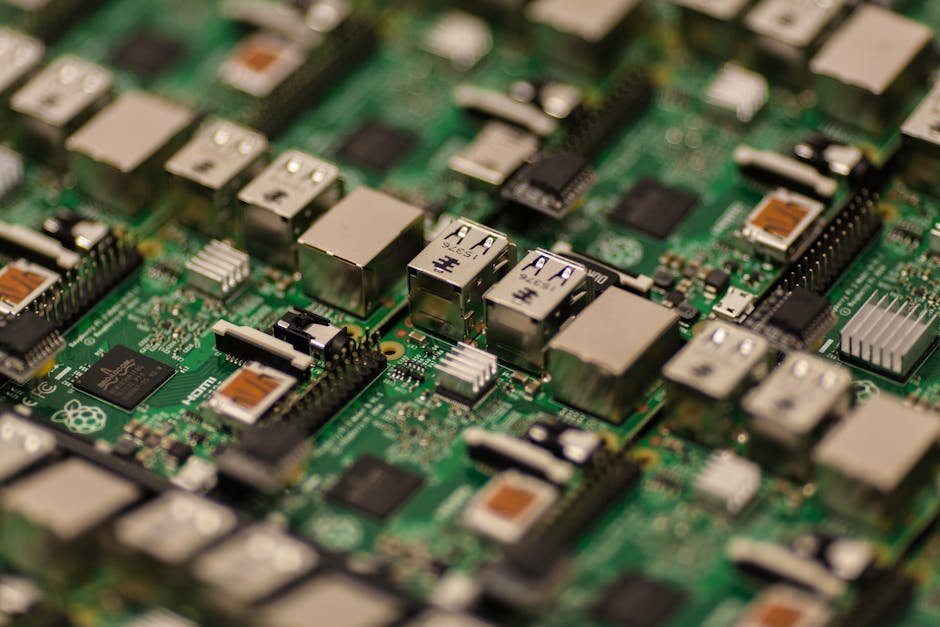
Geopolitically, a microprocessor represents a larger and more integrated territorial division that encompasses multiple microchips within its jurisdiction. It functions as a regional administrative authority with broader governance responsibilities.
Regional Governance and Coordination
Microprocessors manage inter-microchip affairs, coordinating policies and resources across various smaller units. They oversee infrastructure projects, regional economic development, and inter-community relations.
For instance, a microprocessor might coordinate transportation networks that connect multiple microchips, ensuring efficient mobility and commerce. This level of governance balances local autonomy with regional coherence.
By centralizing certain functions, microprocessors can optimize resource distribution and reduce duplication of efforts among microchips. This coordination is essential in managing shared challenges like environmental protection and disaster response.
Jurisdictional Authority and Legal Framework
Microprocessors hold legal authority that supersedes individual microchips, establishing policies that standardize rules across the region. They often enact regulations affecting taxation, land use, and public safety on a wider scale.
This layered authority helps harmonize diverse local laws into cohesive regional standards, facilitating economic stability and legal clarity. It also plays a critical role in mediating conflicts that arise between microchips.
The legal structure within microprocessors is usually more complex, involving multiple government agencies and courts. This complexity reflects the need to manage diverse interests and maintain order over larger populations.
Economic Integration and Development
Microprocessors serve as hubs for regional economic planning and investment, promoting growth beyond individual microchips. They attract businesses by offering unified regulations and infrastructure support tailored to wider markets.
For example, microprocessors might develop industrial zones or technology parks that benefit multiple microchips, fostering job creation and innovation. Such projects leverage regional advantages like transportation access or natural resources.
Economic policies within microprocessors aim to reduce disparities among microchips, encouraging balanced development. This integration can enhance competitiveness and improve the overall standard of living in the region.
Political Representation and Influence
Microprocessors often serve as electoral districts for higher levels of government, such as state or provincial legislatures. Representatives from these regions influence policymaking that affects the entire territory.
This political tier aggregates the interests of multiple microchips, requiring leaders to balance local priorities with broader regional concerns. Effective microprocessor governance depends on collaboration and negotiation among constituent microchips.
Political structures at the microprocessor level also facilitate coordination between local governments and national authorities. This connection is vital for securing funding and implementing large-scale initiatives.
Comparison Table
The table below contrasts microchips and microprocessors across various geopolitical dimensions to highlight their distinct roles and characteristics.
| Parameter of Comparison | Microchip | Microprocessor |
|---|---|---|
| Territorial Scale | Small, localized zones focused on neighborhood or community levels | Larger regions encompassing multiple microchips within a broader area |
| Governance Scope | Manages immediate, day-to-day local affairs and services | Coordinates inter-community policies and regional development plans |
| Legal Jurisdiction | Limited authority, primarily local ordinances and regulations | Broader legal power including taxation and regional law enforcement |
| Political Representation | Elects local councils or committees for grassroots governance | Elects higher-tier representatives influencing state or provincial governance |
| Economic Role | Focuses on small-scale commerce and service delivery within the community | Drives regional economic initiatives and infrastructure investments |
| Cultural Significance | Embodies localized cultural identities and social cohesion | Balances diverse cultural groups under a unified administrative structure |
| Boundary Definition | Often shaped by natural or historical community borders | Defines larger administrative limits integrating several microchips |
| Resource Allocation | Distributes resources based on immediate, community-specific needs | Allocates funding and assets across multiple microchips for balanced growth |
| Conflict Resolution | Handles minor disputes within the community | Arbitrates inter-microchip conflicts and enforces regional policies |
| Flexibility of Boundaries | More adaptable to local demographic shifts | Boundaries are more stable, reflecting long-term regional planning |
Key Differences
- Scale of Administration — Microchips operate at a
Last Updated : 20 July, 2025


Sandeep Bhandari holds a Bachelor of Engineering in Computers from Thapar University (2006). He has 20 years of experience in the technology field. He has a keen interest in various technical fields, including database systems, computer networks, and programming. You can read more about him on his bio page.