DIY Mother’s Day Crafts can turn a quiet afternoon into a warm celebration, blending familiar materials with textures that invite touch and scent. Handmade pieces often carry a quiet personality through cloth, paper, clay, or pressed petals, offering keepsakes that feel like a small story rather than something from a shelf.
I still remember a crooked clay dish that made my mother laugh aloud; a simple, heartfelt gift from a stack of scraps and time that became a favorite among DIY Mother’s Day Crafts.
Pressed flower shadow box frame for keepsakes
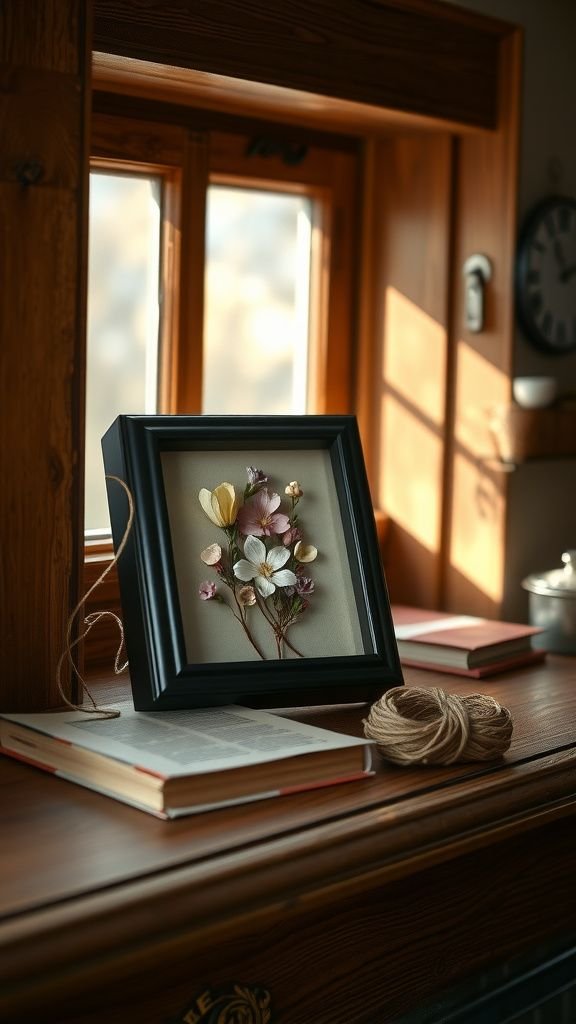
The pressed petals lay like fragile letters held between glass, each vein catching a different light. Colors that were once vivid have a soft, matte quality that feels like a secret whispered through paper.
A wooden frame with a muted stain adds a warm grain under the blooms, while the air around it smells faintly of dust and dried stems. Watching light skim across translucent petals gives a quiet, almost cinematic pause in a room; that gentle hush makes the piece feel personal and quietly alive.
Steps
- Gather fresh flowers and arrange them between absorbent paper sections for flattening.
- Place the layered papers under weight until petals are fully dried and flattened.
- Arrange dried pieces onto backboard inside the chosen frame until the composition feels balanced.
- Secure the backboard and close the frame, checking alignment under soft light.
- Wipe the glass clean and place the shadow box on a shelf where light can highlight the petals.
Citrus and herb scented jar candle idea
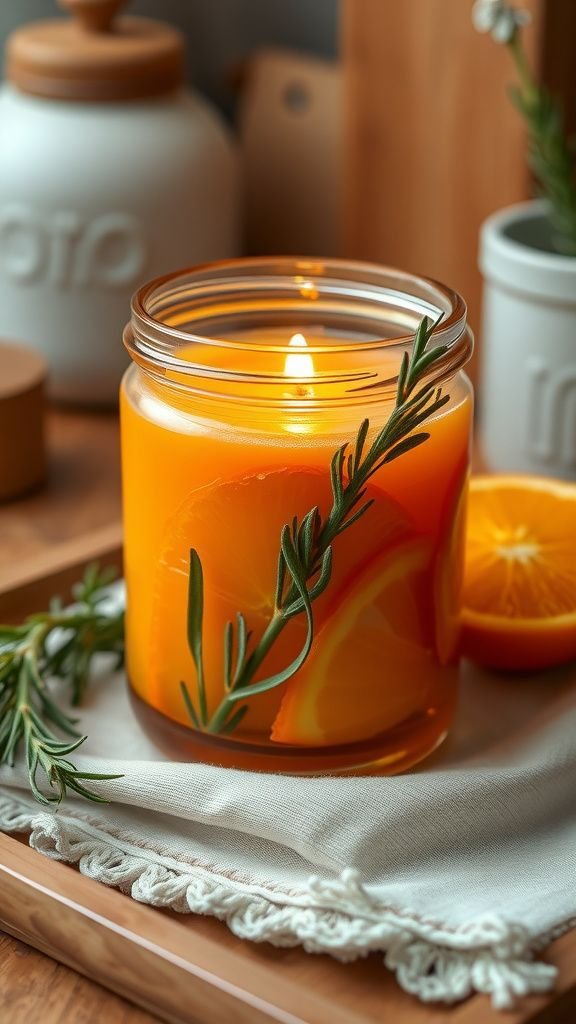
A jar candle filled with tiny orange peels and sprigs of rosemary brings a lively, citrus-pine aroma that feels like a sunny kitchen. The wax catches flecks of peel, adding a translucent amber glow as the flame moves.
The rim of the jar sometimes holds a thin sheen where tiny oil droplets gleam; that small shimmer always invites a closer look. There is a softness to the scent that is refreshing rather than overpowering, and carrying a warm jar across a quiet room feels like offering a small, fragrant pause.
Steps
- Melt candle wax in a heatproof container until it reaches a liquid consistency suitable for pouring.
- Stir in citrus peel zest and crushed aromatic herbs, then pour into a clean, heat-safe jar with a centered wick.
- Let the wax cool until it firms, topping off the jar if a sinkhole appears near the wick.
- Trim the wick and clean the jar rim before labeling or decorating the jar surface.
- Allow the candle to cure for several hours before lighting in a well-ventilated space.
Hand-painted ceramic mug with playful dots
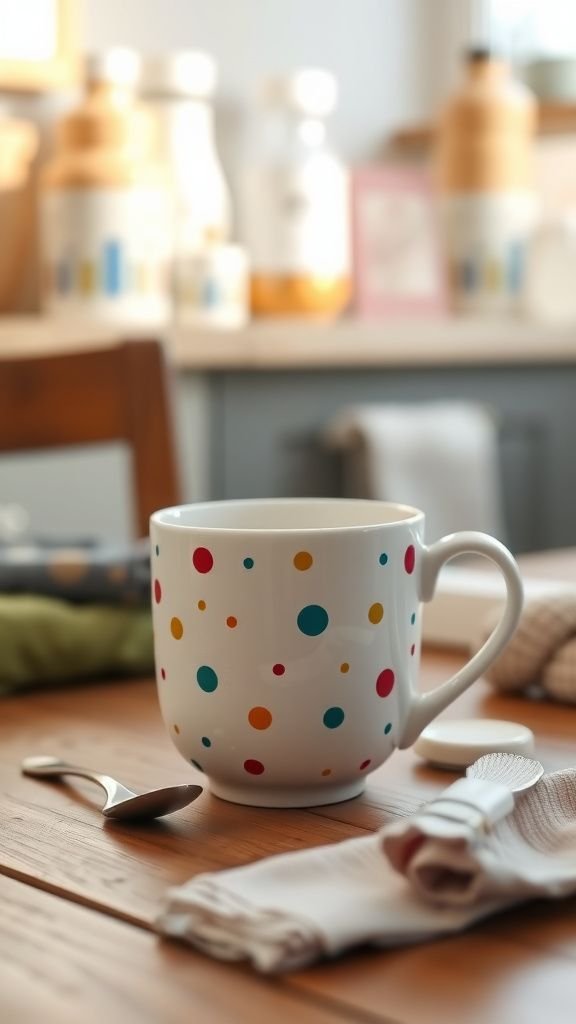
A hand-painted mug carries small imperfections that charm rather than hide. The glaze may pool in a darker ring along the base, and tiny brushstrokes create an uneven pattern of playful dots that catch the eye.
Holding it, the rim feels slightly irregular, which makes sipping tea feel personal and attentive. The ceramic is cool to the touch until filled with a hot drink, at which point warmth travels slowly into the handle.
The painted pattern seems to tell a low-key joke between maker and user.
Steps
- Clean a plain ceramic mug and plan the painted design on paper first for reference.
- Apply ceramic paint with small brushes to create dots and accents, allowing layers to dry between applications.
- Once painting is complete, place the mug in an oven following paint manufacturer instructions to set the design.
- After cooling, wipe any stray marks and test the surface for smoothness before gifting.
- Wrap the mug gently for presentation with a soft cloth or kraft paper.
A tiny booklet of thoughtful love coupons
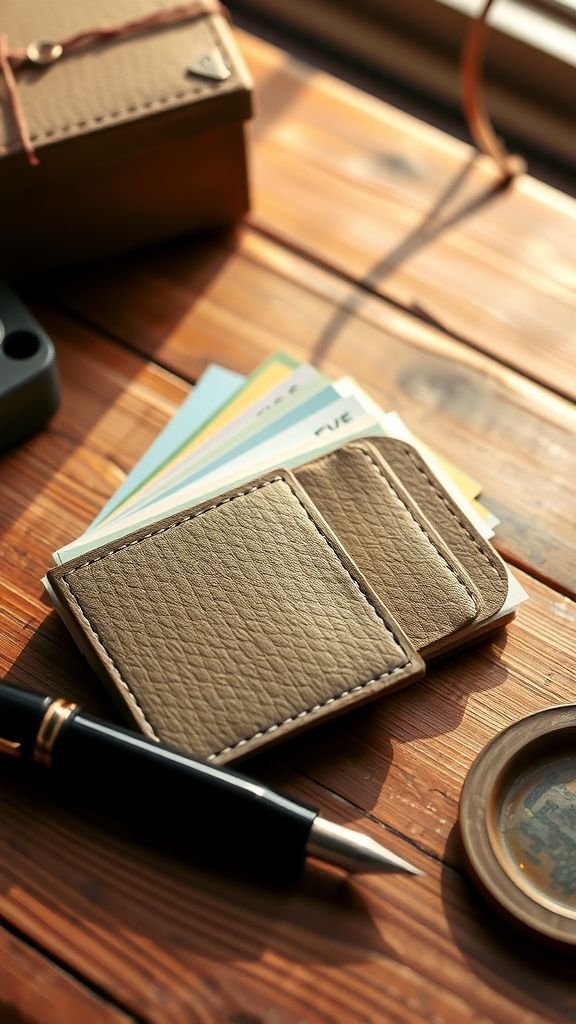
A small booklet with handwritten promises has a warmth that paper receipts never manage. The cover can be a scrap of textured card, its fibers visible at the torn edges.
Inside, different papers create a tiny patchwork of colors and weights, each page whispering a different note. Writing with a fountain pen leaves a slight indent and ink sheen that feels intimate; folding the pages creates soft creases that become part of the memory.
Hand-tied thread on the spine rattles quietly when the booklet is flipped, like a secret being reopened.
Steps
- Cut several pieces of card and paper to matching sizes for the booklet pages and cover.
- Write short, thoughtful notes on each page, using clear handwriting and decorative flourishes if desired.
- Stack the pages inside the cover, punch holes along the spine, and bind with thread or thin ribbon.
- Trim any uneven edges and add a small decorative stamp or sticker to the front for a finishing touch.
- Present the booklet wrapped in simple paper with a ribbon tied gently around it.
Photo heart collage frame for favorite moments
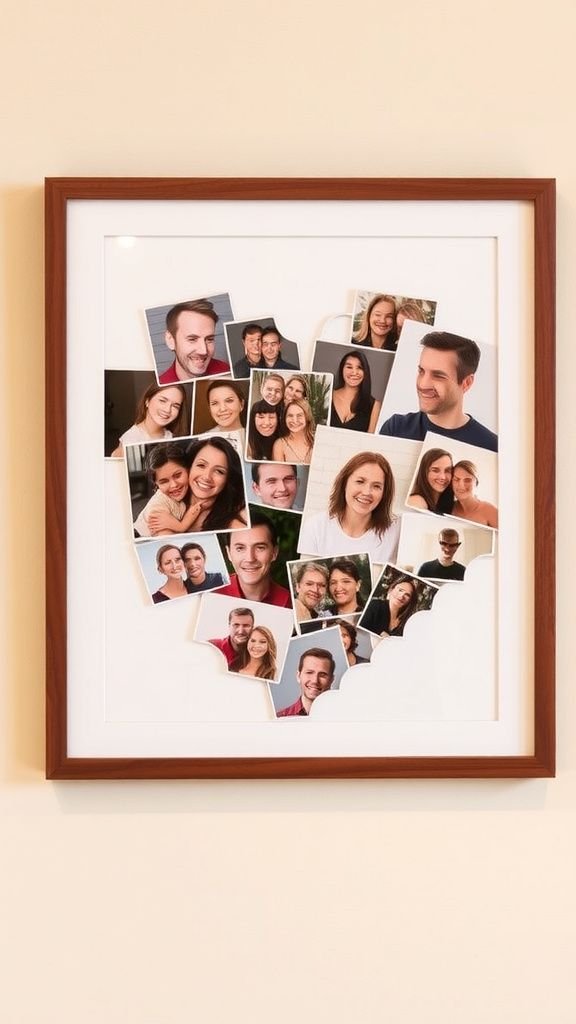
A collage cut into a heart shape pulls together tiny corners of memory into a single, readable gesture. The photos vary from glossy to matte, edges softened from handling and smiling faces caught mid-laughter.
The arrangement creates a rhythmic patchwork where light and shadow from different images play off one another, while the frame’s matte black border anchors the cluster like a gentle hug. Standing near it on the wall, a soft glow from a nearby lamp brings out skin tones and fabric textures, making the collage feel like a warm family conversation.
Steps
- Select a handful of favorite photos and arrange them on a backing board in a loose heart shape.
- Trim photos as needed for fit and adhere them to the backing, layering for depth and visual rhythm.
- Place the assembled backing into a frame that complements the photo tones and secure the rear.
- Clean the frame glass and hang the piece at eye level where it receives gentle ambient light.
- Take a step back to check balance and adjust any overlapping photos that distract from the heart shape.
Teacup herb planter that smells like spring
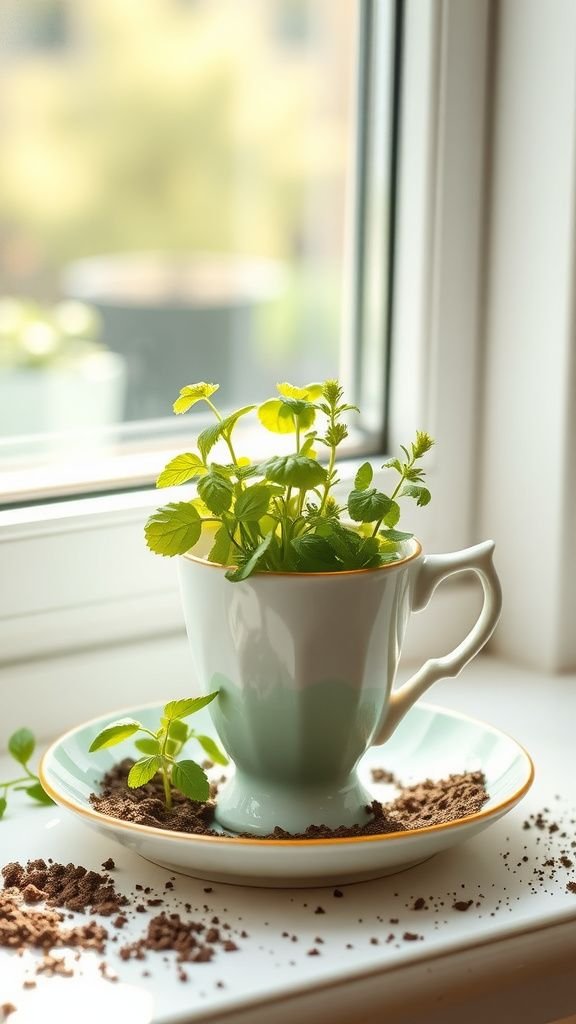
A tiny teacup filled with soil and a sprig of basil or thyme brings the smell of garden air indoors. The porcelain rim is cool against fingers, and the tiny leaves release a bright, green scent when brushed.
Patterns on the teacup can be delicate roses or chipped geometric prints that hint at thrifted history. Placed by a sunny window, the planter catches dust motes in shafted light, and watering leaves a slight earthy aroma that lingers.
The small scale makes it feel like a planted secret meant to be noticed closely.
Steps
- Choose a sturdy teacup with a saucer and add a thin layer of pebbles for drainage at the base.
- Fill with fresh potting mix suitable for herbs, creating a small, loose mound in the center.
- Place a small herb seedling gently into the soil and press around it to secure the roots.
- Water sparingly to settle the soil and place the teacup in a sunny spot near a window.
- Rotate the cup occasionally to keep the plant growing evenly toward the light.
Lavender sachets stitched from fabric scraps
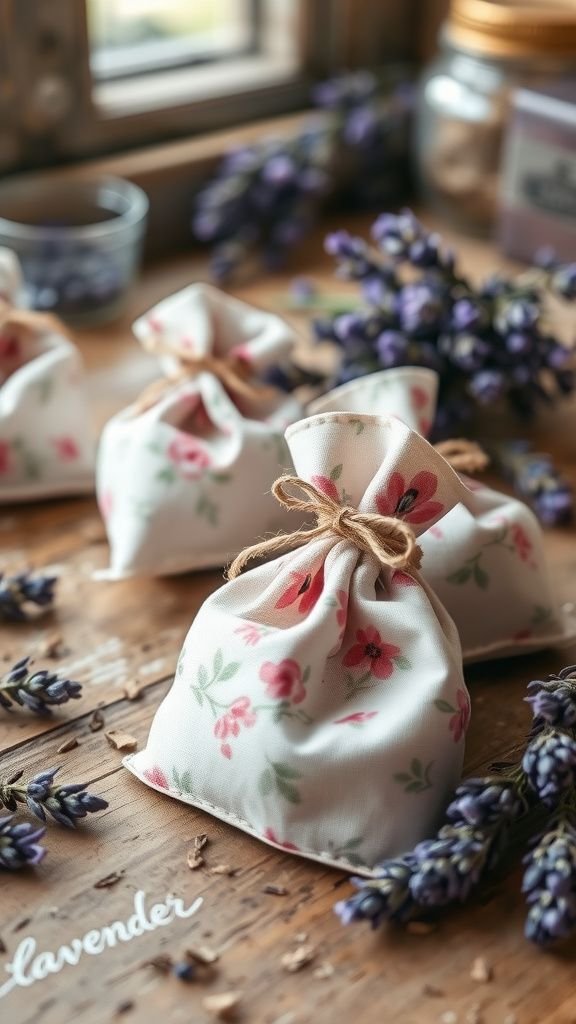
Tiny lavender sachets smell like a summer field folded into cloth. The fabric scraps may have floral prints or faded checks that feel familiar, each stitch slightly uneven but full of character.
Squeezing a sachet releases a sigh of cool, floral scent that settles into drawers and linens, the needle-made seams cradling the dried blooms. The texture of the cloth against the fingers is almost like memory, worn soft where it was handled.
Hanging a sachet in a closet brings a subtle, calming presence to daily routines.
Steps
- Cut two matching fabric shapes for each sachet and place them right sides together.
- Sew around the edges, leaving a small opening for filling and then turn the piece right side out.
- Gently fill the sachet with dried lavender flowers and a light pinch of rice for weight, then close the opening with neat stitches.
- Add a small ribbon loop if desired for hanging and press the sachet lightly to set its shape.
- Place sachets among linens or tie them to hangers for a fragrant closet accent.
Silky homemade soap bars with floral scent
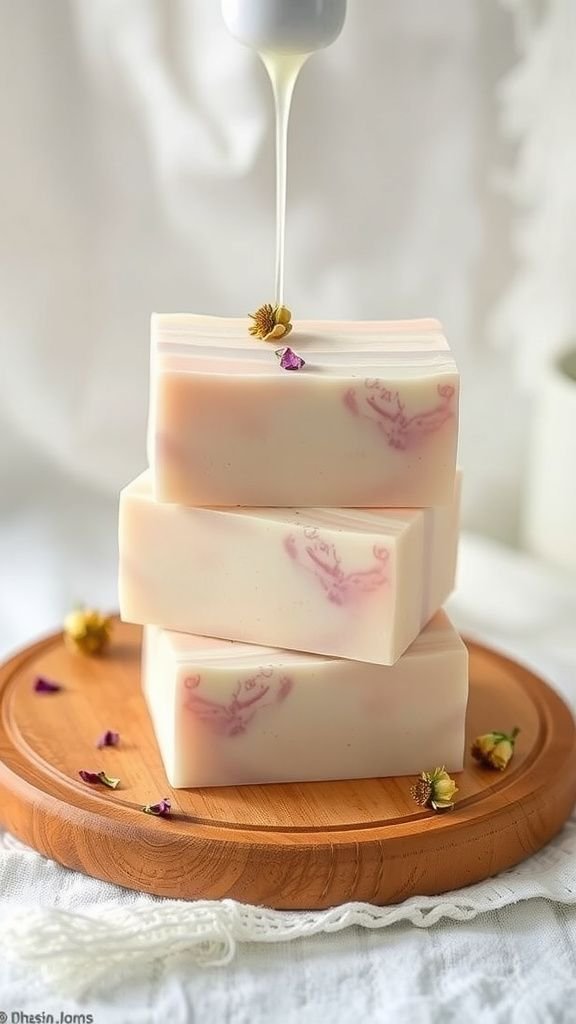
Soap cut by hand has an irregular, satisfying heft and a soft sheen where oils pooled before setting. The scent of lavender or rose blooms through creamy lather, and thin slices reveal marbled colors like sunrise in a bowl.
Holding a bar under running water, lather forms in clouds that smell almost edible, and the skin feels gently cleansed rather than stripped. The edges sometimes bear tiny flecks of herb or petal that catch the eye, giving each bar a small, handcrafted soul that makes everyday washing feel a little kinder.
Steps
- Melt a gentle soap base in a heatproof container and stir in chosen fragrance oil and natural colorants.
- Pour the scented soap into molds, adding dried petals or exfoliants near the top if desired.
- Allow the soap to cool completely until firm, then remove from molds and trim any rough edges.
- Cure the bars on a rack for the recommended time to harden them fully.
- Package the finished bars in breathable paper for gifting or storage.
Memory jar filled with notes and tiny keepsakes
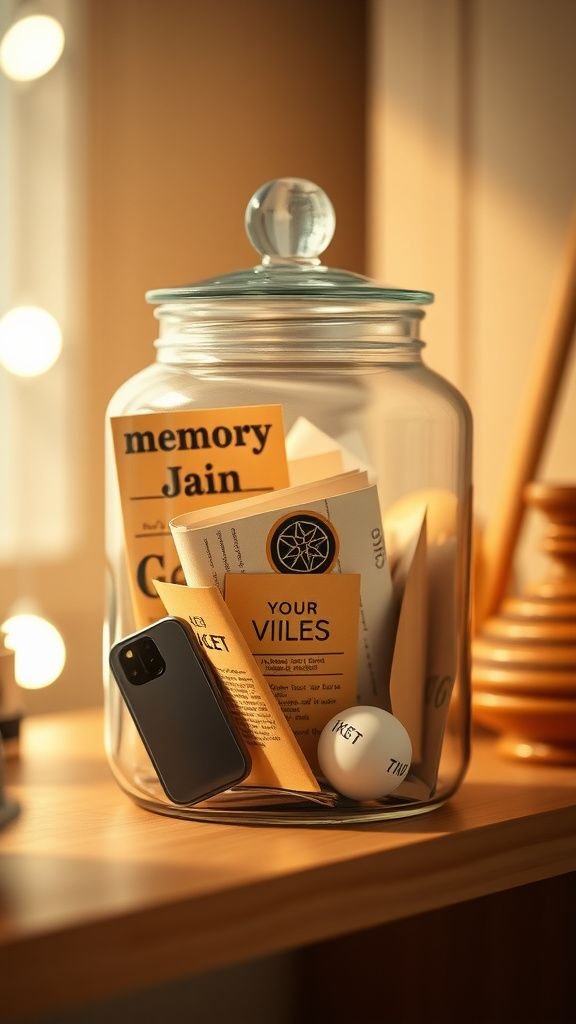
A glass jar crammed with folded notes, ticket stubs, and tiny trinkets becomes a repository of small smiles. The glass rim sometimes picks up faint fingerprints and light reflections that make the contents sparkle, and whisper-thin paper folds make a rustling sound when the jar is lifted.
Seeing a handwritten scrap peeking out can stop a day with a tiny laugh, because the items inside feel intimate and unpolished. The collection grows like a small archive of ordinary delights, each piece a nudge toward a remembered conversation or afternoon.
Steps
- Select a clear jar with a secure lid and clean it to remove any residue.
- Gather small mementos such as handwritten notes, ticket stubs, and tiny found objects to place inside.
- Fold or arrange the items so they fit comfortably, adding a label or tag to the jar if desired.
- Seal the jar and place it somewhere visible where adding new pieces will feel natural.
- Open the jar together on a special day to read the notes and revisit the moments.
Tiny thumbprint charm necklace for keepsakes
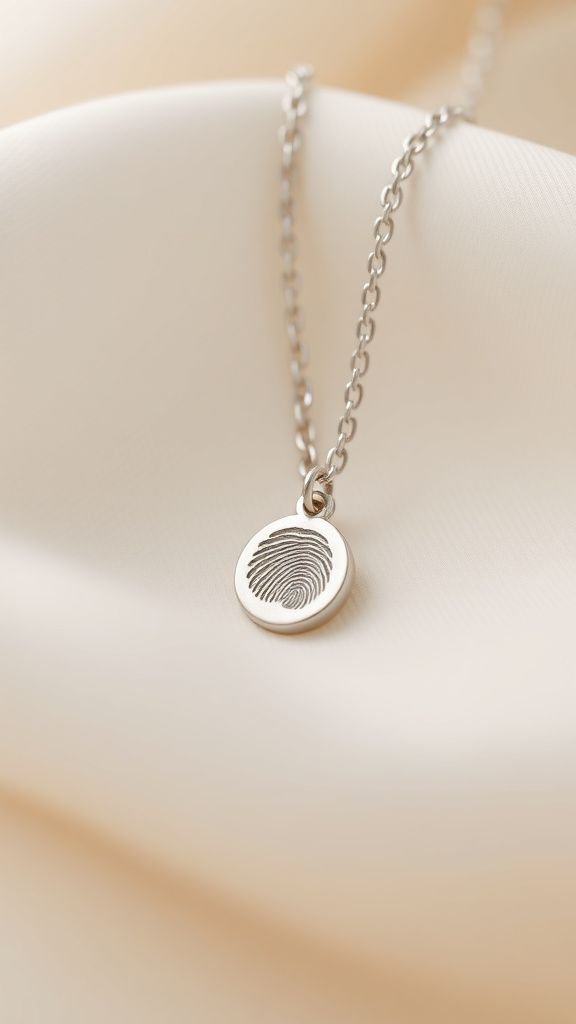
A small charm bearing a thumbprint carries an intimate mark that feels like a secret in metal. The impression traps a tiny ridge pattern that catches highlights on its polished surface, giving the pendant a quiet geometry.
Light moves across it in narrow bands, and when worn near a collarbone it warms to skin temperature and seems to hold memory close. The chain is delicate, a thread of metal that barely rustles, while the charm swings with small movements like a private punctuation to conversation and touch.
Steps
- Prepare a small amount of jewelry clay and press a clear thumb or fingertip impression into the surface.
- Create a hole for a jump ring before baking or curing the clay according to the material instructions.
- After curing, buff the charm and attach a jump ring and chain to complete the necklace.
- Polish the metal hardware and check the clasp for smooth operation before gifting.
- Present the necklace in a small box or pouch to keep the charm protected.
Handprint canvas that freezes a single moment
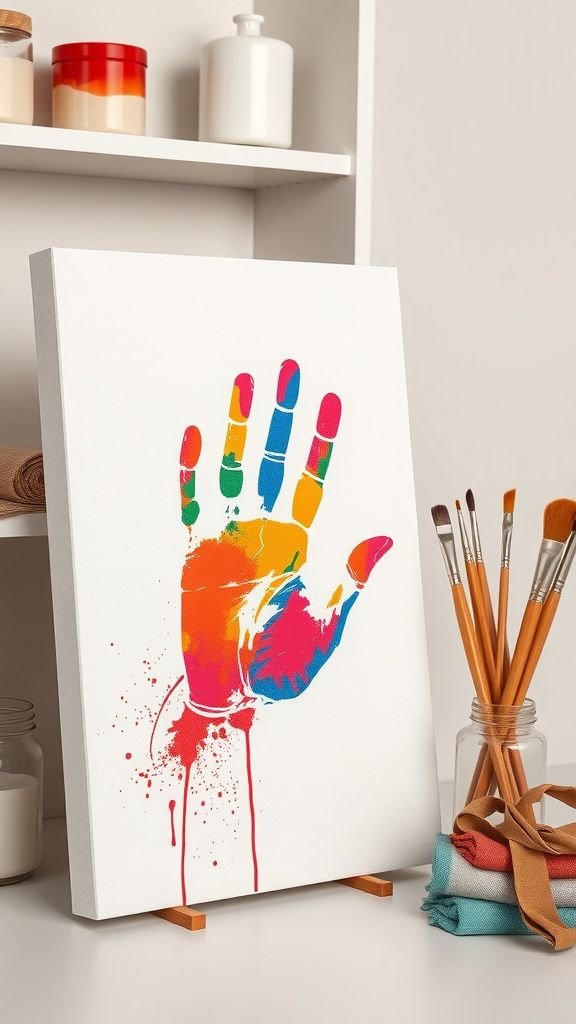
A canvas with a handprint feels like a frozen high-five, timeless and slightly humorous. The paint texture rises where fingers pressed most firmly, and tiny ridges of pigment form along the palm.
The surrounding blank space magnifies the print, turning it into a statement that is both proud and tender. Colors can be bold or mellow, each choice altering the mood of the mark.
Leaning a finished canvas against a shelf makes the print read like a small announcement about presence and affection in a home.
Steps
- Choose a smooth canvas and select non-toxic paint suitable for skin contact if taking a real handprint.
- Apply paint evenly to the palm and press gently but firmly onto the canvas to create a clear impression.
- Lift the hand straight off, allow the paint to dry fully, and add optional painted accents around the print.
- Protect the surface with a clear spray sealer compatible with the paint if desired.
- Display the canvas on a shelf or hang it where it can be enjoyed daily.
Delicate fresh flower crown for spring strolls
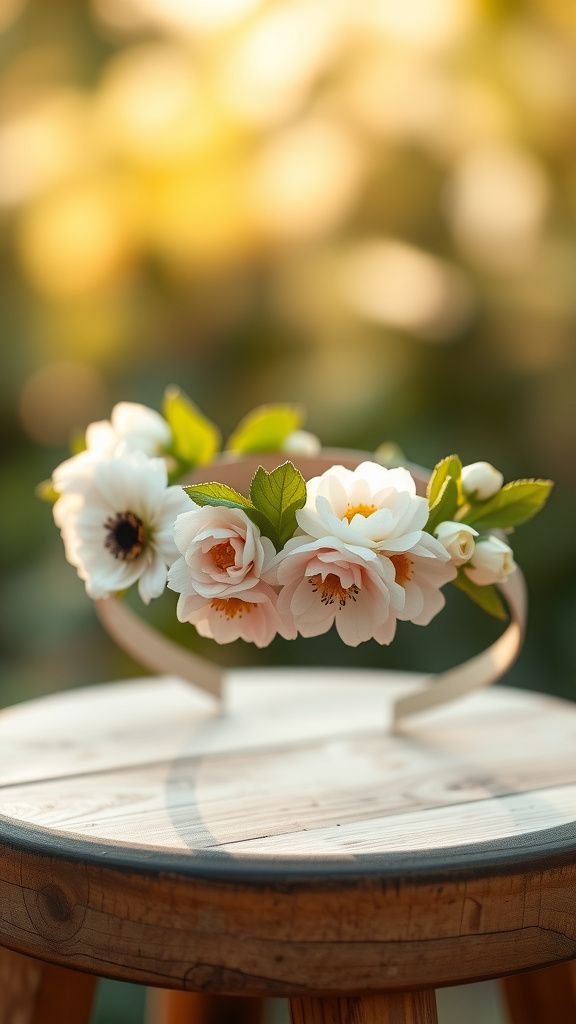
A crown woven from tiny blossoms rests like a soft band on the head, petals brushing hair in a light tickle. The scent is faint and green, a perfume that arrives in brief gusts with each movement.
Stems and small leaves peek between blooms, adding depth and a hint of wildness. The crown tends to droop slightly at the edges after an afternoon walk, which gives it an endearing, lived-in look.
Wearing it feels ceremonial in a gentle way, as if ordinary minutes were being quietly invited to be special.
Steps
- Select a variety of small fresh flowers and flexible greenery with stems of comparable thickness.
- Create a base by twisting a pliable stem or floral wire into a circular crown sized to fit comfortably.
- Attach small clusters of flowers along the base using floral tape or thin wire, overlapping for fullness.
- Add trailing greenery at the back for a natural finish and tuck in any stray stems.
- Store the crown in a cool place until ready to wear to preserve freshness.
Paper quilled floral card with layered petals
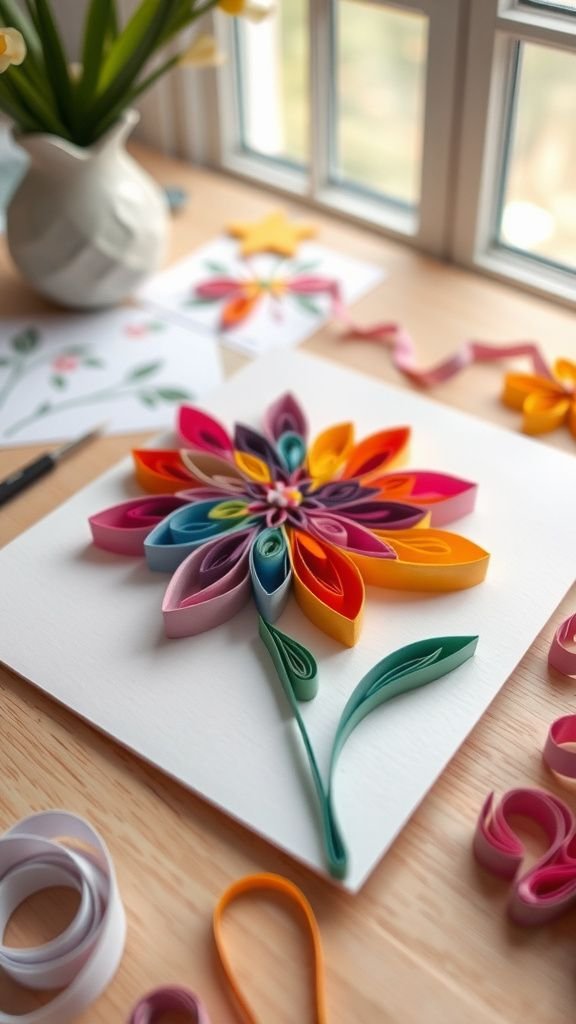
Quilled paper blooms have a lacy, springy lightness that invites touch. Tight spirals unwind into petals with tiny shadows between each coil, and the edges cast intricate filigree against the card stock.
Colors stack into soft gradients where paper meets paper, creating depth without heaviness. Turning the card reveals the faint ridges beneath the petals and the gentle give of adhesive drying; it feels almost like a miniature relief sculpture.
Sending such a card carries the sensation of a slow, careful craft folded into a single mailed hello.
Steps
- Cut narrow strips of colored paper and roll them into tight coils using a quilling tool or a thin dowel.
- Shape the coils into petal and leaf forms, pinching where needed to create varied profiles.
- Arrange the quilled elements on a blank card and adhere them with a small amount of craft glue.
- Allow the glue to dry fully before writing a message inside or placing the card in an envelope.
- Store the finished card flat to protect the quilled shapes until delivery.
Braided fabric bracelet with unexpected color pops
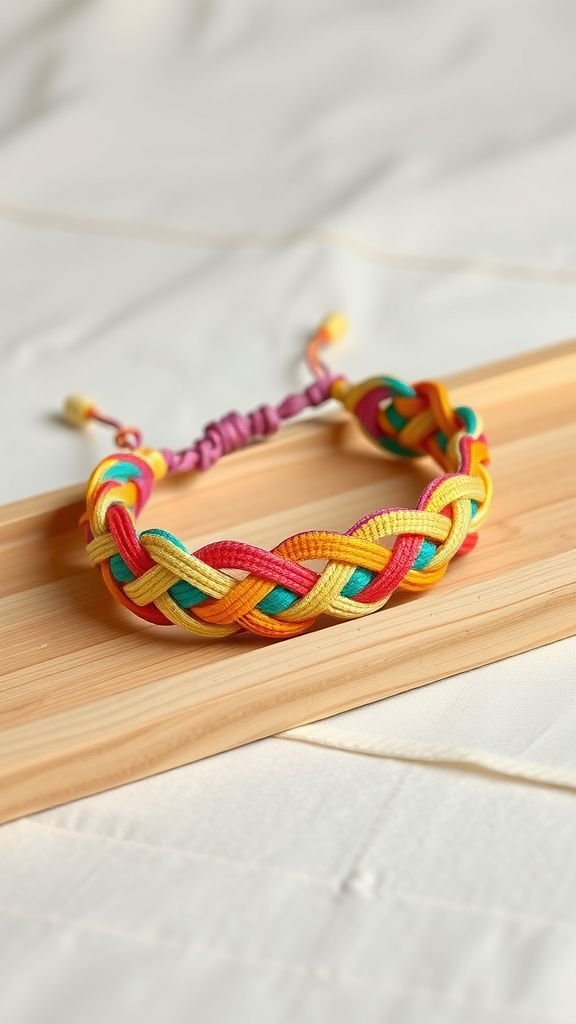
A bracelet woven from fabric scraps wraps the wrist in soft, familiar fibers that bear the faint scent of wash and home. Threads of muted linen mix with shocking slivers of bright cotton, creating small peeks of color that surprise during movement.
The braid has a pliant texture, comfortable enough to forget but present enough to notice when it brushes a sleeve. Knots at the ends are slightly uneven, giving the piece an honest, handmade personality.
Wearing it feels like wearing a patch of memory woven into daily life.
Steps
- Gather three or more fabric strips with complementary colors and cut them to equal lengths.
- Knot the strips at one end and secure the knot to a stable surface to begin braiding.
- Braid the strips tightly until the desired length is reached, then tie a secure knot to finish.
- Trim excess fabric and tuck ends into the braid or wrap with a small band for neatness.
- Slip the bracelet onto the wrist and adjust the fit as needed before gifting.
Mini succulent terrarium in a clear globe
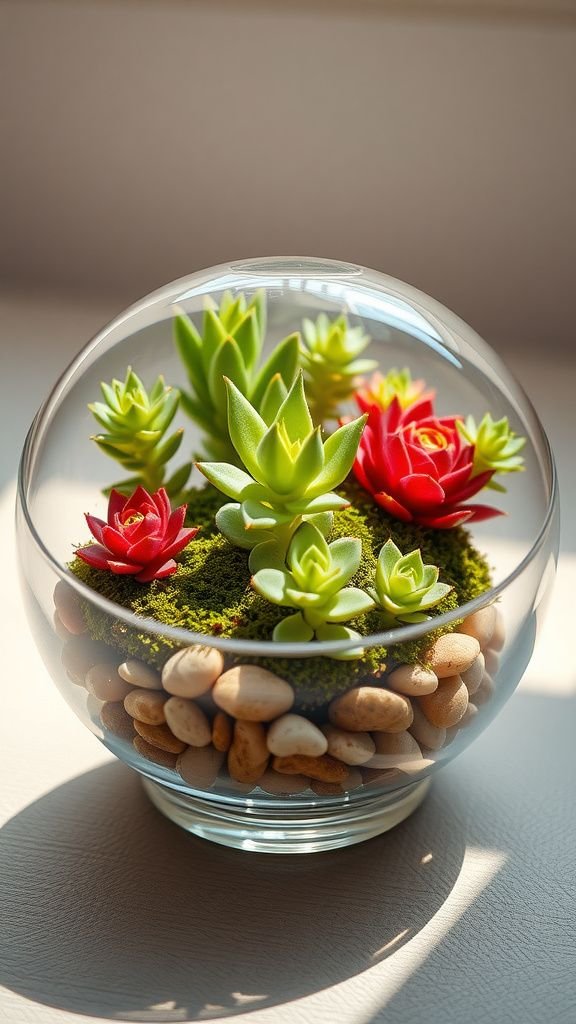
A tiny succulent tucked inside a glass globe creates a quiet, self-contained landscape. Pebbles glint beneath the little rosette of leaves, and the curved glass bends light into soft highlights that shift with the day.
The soil smells faintly of damp earth, and the succulents’ waxy leaves reflect a green that feels cool and reassuring. The globe sits on a windowsill and gathers dust in a way that only adds to its charm, like a small planet quietly organizing itself around a green, patient center.
Steps
- Place a layer of drainage pebbles inside the glass globe, followed by a thin layer of activated charcoal to keep air fresh.
- Add a loose succulent potting mix and create a shallow spot for the plant.
- Position a small succulent carefully into the soil and press around its roots to stabilize it.
- Add decorative stones or tiny figurines for personality, then mist lightly to settle the soil.
- Place the terrarium in bright, indirect light and water sparingly to avoid overhydration.
Beeswax wraps scented with lemon and herbs
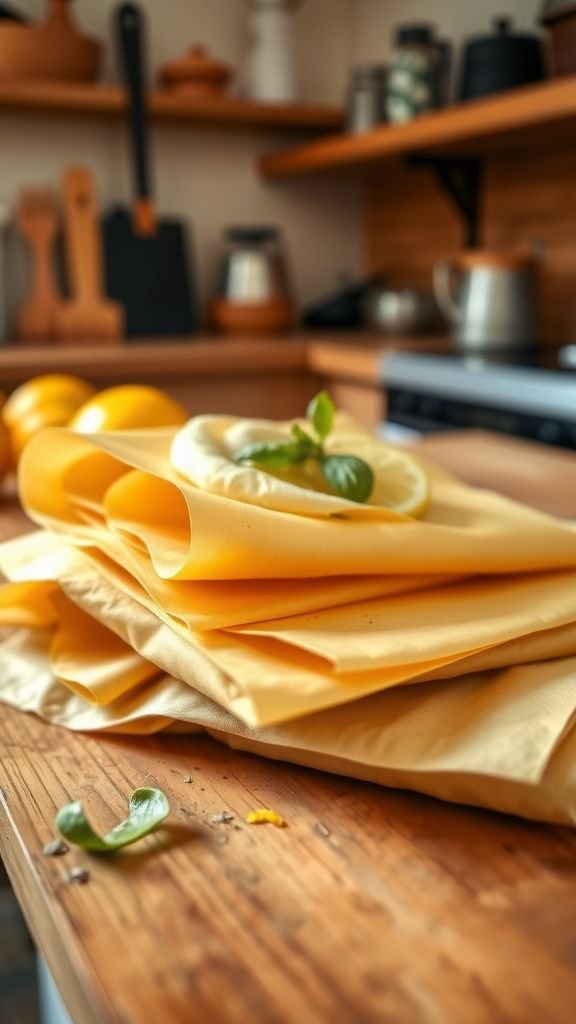
Beeswax wraps have a warm, slightly tacky surface that bends happily around jars and bowls. The lemon and herb scent is subtle and fresh, not intrusive, and the wax gives fabric a faint sheen that catches kitchen light.
The texture is pleasantly pliable and the edges sometimes show faint brush marks from wax application, little evidence of human hands. Folding a wrap around a bowl creates a soft seal that feels alive, and the faint aroma mingles with cooking smells to make a domestic space feel thoughtfully tended.
Steps
- Lay a piece of washable cotton fabric flat and brush an even layer of melted beeswax over the surface.
- Sprinkle dried lemon zest and finely chopped culinary herbs on the wax while it is still warm for fragrance.
- Place the fabric on a sheet of parchment and warm gently in an oven to help the wax soak evenly.
- Remove and smooth the fabric, allowing it to cool until the wax sets with a slight tack.
- Trim the wrap edges into shapes and store flat until ready to cover dishes.
Bath salts jar that smells like a spa
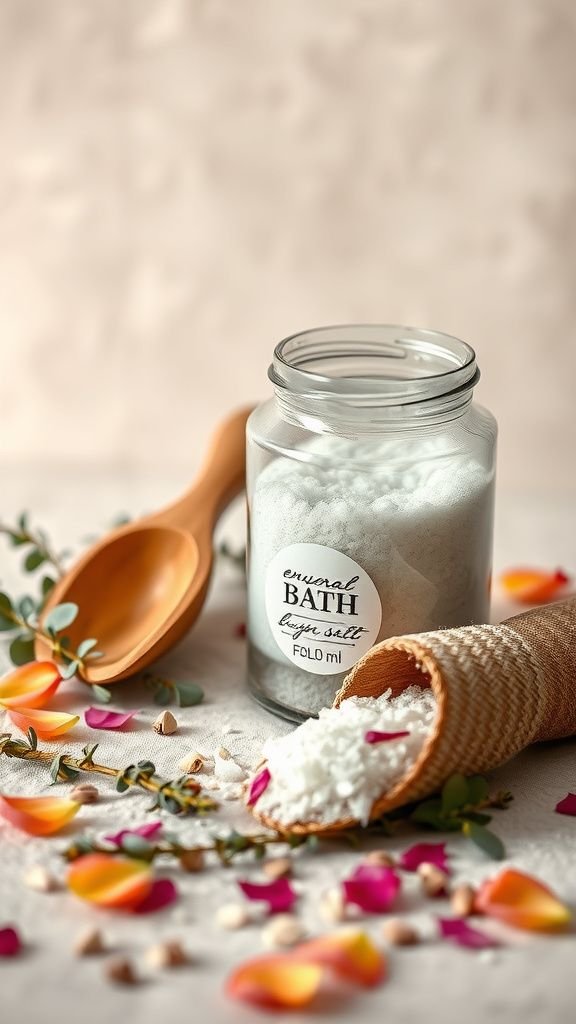
A jar of bath salts sits heavy and crystalline, each granule catching light like tiny frosted gems. The scent of eucalyptus or lavender rises in a cool, clear ribbon that feels like an invitation to slow down.
Tactilely, the salts have a crunch that gives way under fingers, and a faint mineral scent peeks through the essential oils. The jar makes a quiet statement on a bathroom shelf, its label hand-lettered and slightly off-kilter, which only adds to the sense of a thoughtful, personal offering for rest.
Steps
- Mix coarse sea salt with a smaller amount of Epsom salt in a bowl, blending gently.
- Add a few drops of chosen essential oil and stir until the scent is evenly distributed.
- Layer the scented salts into a clean glass jar, pressing lightly to remove air pockets.
- Seal the jar and label it with scent notes and a suggested soak time.
- Store in a cool, dry place until gifted or used to preserve fragrance strength.
Hand-pressed clay catchall dish for jewelry
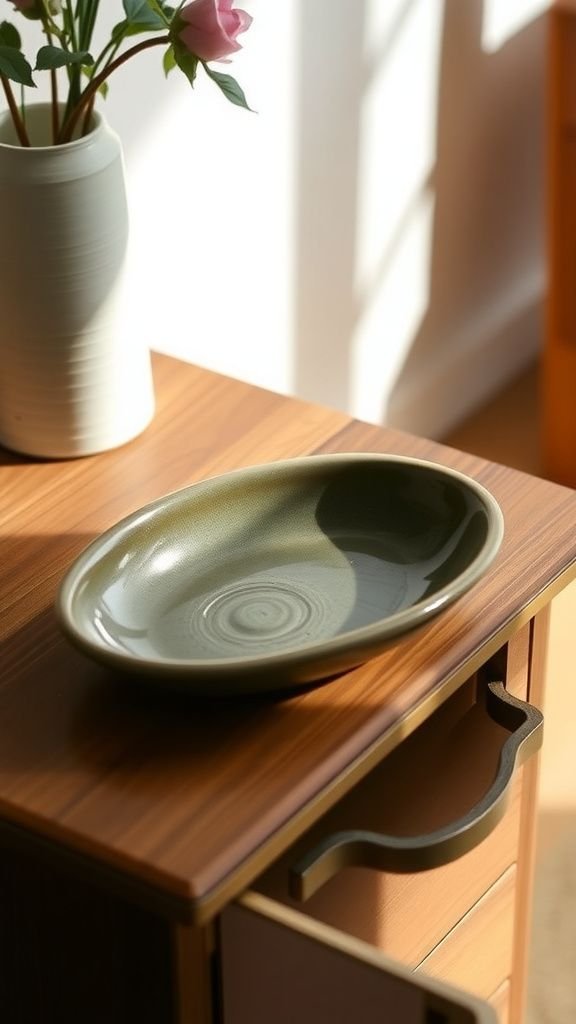
A small dish pressed from clay holds rings and small trinkets like a tiny nest. The surface might retain faint fingerprints from shaping, which gives the piece warmth and a human scale.
The glaze pools in a ring that frames the center with a darker hue, and the clay’s coolness shifts to room temperature when held. When placed on a dresser, the dish becomes a habitual landing spot, gathering the soft clink of metal and the muted shine of beads.
Its imperfect curve invites a quiet, everyday ceremony of tidying.
Steps
- Soften a lump of air-dry or oven-bake clay and press it gently into a shallow dish shape.
- Smooth the edges and add small textures or impressions for visual interest.
- Allow the clay to dry or bake according to the material instructions until fully hardened.
- Apply glaze or paint and let it cure as directed for a finished surface.
- Place the dish on a dresser or bedside table as a small jewelry landing spot.
Simple embroidered hoop with floral motifs
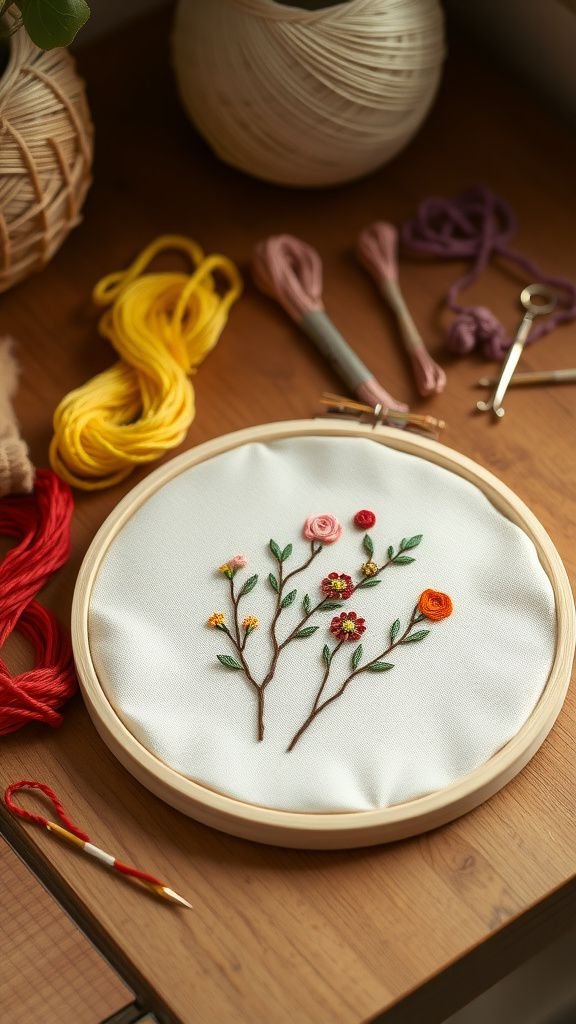
Stitching small flowers into a hoop feels like composing a tiny meadow. The thread has a slight sheen that plays against matte fabric, and stitches form little ridges that catch light differently across the piece.
The hoop’s wooden rim is warm under a hand, and when hung, the embroidery casts faint shadows that add depth. Watching the motif from different angles, petals and stems reveal subtle color shifts, and the slow rhythm of needle and thread seems embedded into the finished piece, giving it a quiet, rhythmic charm.
Steps
- Stretch a piece of fabric tightly across an embroidery hoop and secure the frame.
- Transfer a simple floral design onto the fabric with a washable marker for guidance.
- Use basic embroidery stitches like satin, back, and French knots to fill in petals and stems.
- Tie off thread ends neatly and trim excess fabric from the hoop back.
- Optionally finish the hoop edge with ribbon before hanging the piece on a wall.
Garden mosaic stepping stone with bright tiles
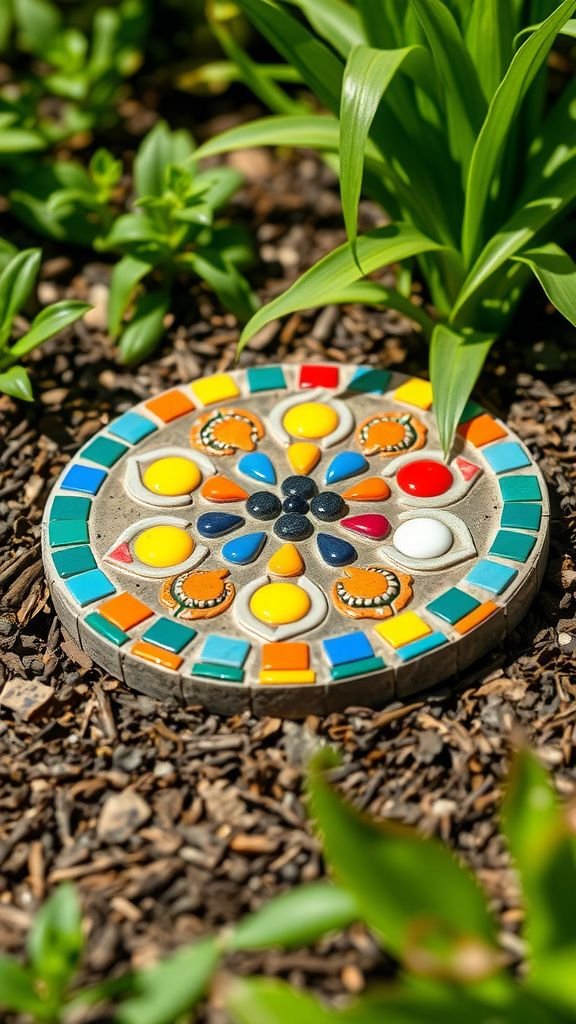
A mosaic stepping stone brings little bursts of color to a garden path, tiles catching sunlight and scattering playful reflections. The grout forms a textured map between pieces, and the tile edges create small shadows that shift with the light of day.
The surface is pleasantly uneven underfoot, offering tactile interest that invites exploration. In damp weather, the colors deepen and shine; in dry weather, the grout shows its sandy grain.
Placed among green leaves and earth, the stone feels like a painted punctuation that hums with outdoor life.
Steps
- Choose a sturdy mold and arrange an assortment of tiles or broken ceramics into a pleasing pattern inside it.
- Mix a batch of cement or mortar to a spreadable consistency and pour it into the mold, pressing tiles gently into place.
- Allow the cement to set until firm, then remove the stone from the mold carefully.
- Mix grout and apply it over the tiles, working it into gaps, then wipe away excess before it fully dries.
- Let the stepping stone cure completely before placing it in the garden path.
Upcycled tea towel apron with cozy pocket
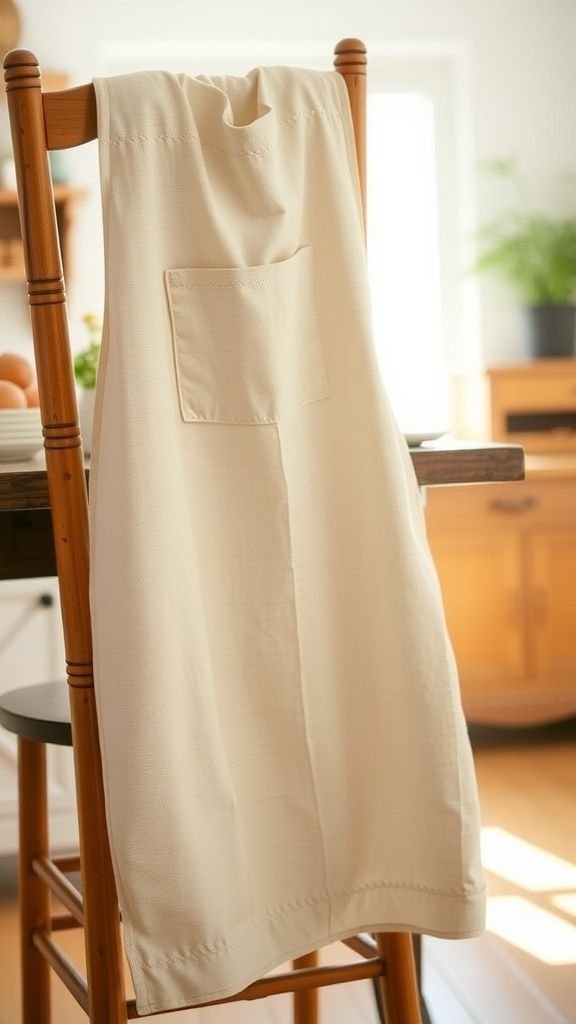
An apron fashioned from an old tea towel carries the faint imprint of past meals and washing, lending a lived-in softness. The pocket adds a practical curve where hands can rest, and the fabric hangs with a relaxed, familiar weight.
Stitch lines and slight color fade trace history, while a contrasting trim or ribbon peeks like a neat accent. Wearing it feels domestic in a comforting way, like stepping into a role with open arms.
The apron folds small and neat, ready to be pulled on for an afternoon of shared kitchen chatter.
Steps
- Lay the tea towel flat and plan the apron shape, marking areas for a neck loop and waist ties.
- Fold and stitch the top edge to create a casing for a neck strap or loop, inserting a ribbon or fabric strip.
- Add a waistband by folding and sewing fabric strips to the sides for tying and create a pocket if desired.
- Reinforce seams at stress points for durability and trim any loose threads.
- Press the apron lightly to settle seams and present it folded with a small tag.
Last Updated : 17 December, 2025


Sandeep Bhandari holds a Bachelor of Engineering in Computers from Thapar University (2006). He has 20 years of experience in the technology field. He has a keen interest in various technical fields, including database systems, computer networks, and programming. You can read more about him on his bio page.