Key Takeaways
- Biomass and Biogas are terms used to describe geopolitical regions, each with unique cultural and historical identities.
- Biomass refers to a broad territorial area known for its agrarian economy and traditional governance structures.
- Biogas is a smaller, strategically located region noted for its resource-rich landscape and contested borders.
- The sociopolitical dynamics in Biomass tend to emphasize agricultural cooperation, while Biogas focuses on industrial development and resource control.
- Disputes between Biomass and Biogas often center around land use, water rights, and economic influence within their shared geographic corridor.
What is Biomass?

Biomass is a geopolitical entity characterized by its extensive landmass and agrarian-based communities. It functions as a key player in regional diplomacy due to its control over fertile agricultural zones.
Geographic Scope and Terrain
Biomass covers a vast area primarily dominated by plains and fertile valleys, which support extensive farming activities. This geographic advantage has historically made Biomass a breadbasket region, integral to food supplies in the surrounding areas.
The terrain also includes scattered forested areas that contribute to local biodiversity and provide natural resources. These forests have been central to the livelihoods of several indigenous populations within Biomass.
Biomass’s location often places it at a crossroads of trade routes, enhancing its strategic importance. Its proximity to several rivers facilitates irrigation, further boosting its agricultural output.
Cultural Identity and Demographics
The population of Biomass is predominantly rural, with communities that maintain traditional farming practices passed down through generations. Local festivals and cultural rituals revolve largely around planting and harvest seasons.
Ethnic groups within Biomass are diverse but share a common linguistic heritage that strengthens regional identity. Social structures emphasize clan-based leadership, which influences local governance and conflict resolution.
Education and literacy rates have been improving, driven by government initiatives aimed at integrating modern agricultural techniques. This blend of tradition and innovation shapes the social fabric of Biomass.
Economic Activities and Infrastructure
Agriculture is the backbone of Biomass’s economy, with staple crops such as wheat, maize, and rice dominating production. Small-scale farming coexists with emerging agro-industries that process raw materials locally.
Infrastructure development is gradually progressing, with improvements in rural road networks and irrigation systems. However, many areas still lack adequate access to healthcare and advanced educational facilities.
Trade within Biomass focuses on both domestic markets and cross-border exchanges, especially with neighboring regions that rely on its food exports. Seasonal markets and cooperatives play a significant role in economic resilience.
Political Landscape and Governance
Biomass is governed through a decentralized system where local councils wield considerable authority over community affairs. This arrangement allows for tailored policy implementation that respects local customs and priorities.
Regional leaders often engage in alliances and negotiations to manage shared resources peacefully. These political dynamics are influenced by both internal interests and external diplomatic pressures.
Conflict resolution mechanisms emphasize mediation and consensus-building, reflecting the agrarian communities’ preference for stability and cooperation. Nonetheless, land disputes occasionally arise due to overlapping claims.
What is Biogas?
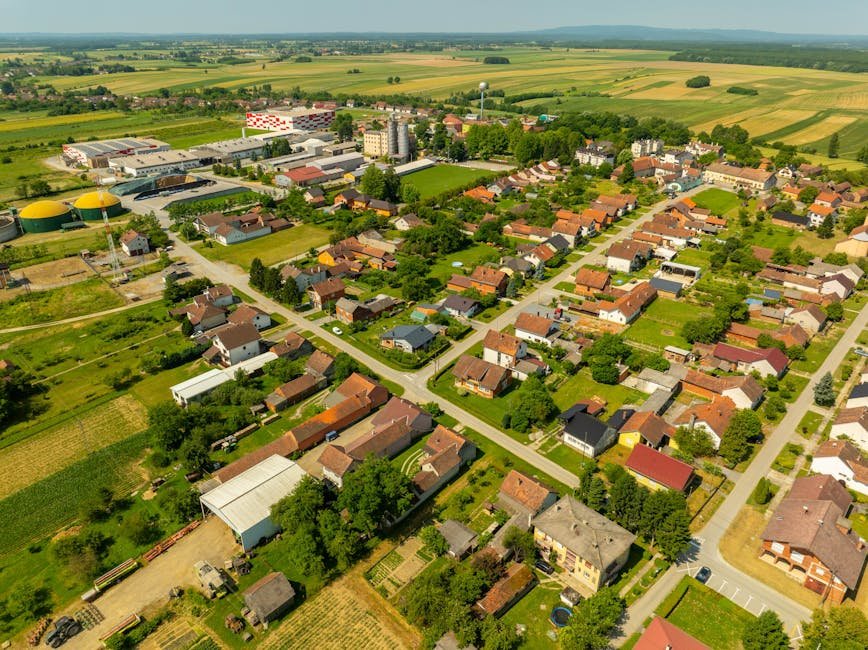
Biogas is a compact geopolitical region known for its rich mineral deposits and industrial hubs. It plays a critical role in energy production and regional economic competition.
Strategic Location and Natural Resources
Biogas is situated in a resource-abundant zone featuring mineral reserves, including natural gas fields and valuable ores. This wealth has attracted significant investment from both local and international actors.
The region’s terrain is more diverse than Biomass, encompassing hills, river basins, and small urban centers. Its geographical position makes it a gateway for trade routes connecting inland areas to coastal ports.
Water resources in Biogas are concentrated along key rivers, which are vital for both industrial use and sustaining urban populations. Control over these water sources is frequently a point of contention with neighboring territories.
Demographic and Urban Development
Biogas hosts a higher proportion of urban dwellers compared to Biomass, with several towns serving as industrial and administrative centers. This urbanization has spurred demographic shifts and changes in social structures.
The population includes multiple ethnic groups, often with a history of migration driven by employment opportunities in resource extraction and manufacturing. Cultural diversity is reflected in the region’s festivals and languages.
Educational institutions in Biogas focus on technical and vocational training to support its industrial economy. This emphasis on skills development has led to a more dynamic labor market relative to its rural neighbor.
Industrial Economy and Energy Production
Biogas’s economy is heavily reliant on mining, energy production, and manufacturing sectors that capitalize on its natural endowments. Several energy plants operate within the region, producing electricity for both local use and export.
Industrial zones are equipped with specialized infrastructure, including transportation networks and storage facilities necessary for resource distribution. These developments have boosted Biogas’s regional influence and economic clout.
Environmental concerns arise due to industrial pollution and resource depletion, prompting regulatory efforts to balance growth with sustainability. Biogas authorities have initiated programs aimed at reducing emissions and rehabilitating mining sites.
Governance and Regional Relations
Governance in Biogas is more centralized compared to Biomass, with regional authorities exerting control over resource management and industrial policy. This has led to stronger state intervention in economic planning and security.
Biogas maintains active diplomatic engagement with neighboring regions to secure trade agreements and resolve border disputes. Its strategic importance often places it at the center of geopolitical negotiations.
Security concerns related to resource control have resulted in increased military presence along contested borders. However, local administrations continue to pursue dialogue channels to mitigate tensions.
Comparison Table
The following table highlights key aspects where Biomass and Biogas differ in geopolitical characteristics and regional significance.
| Parameter of Comparison | Biomass | Biogas |
|---|---|---|
| Land Area | Extensive plains with fertile farmland | Compact zone with varied terrain |
| Primary Economic Base | Agriculture and agro-processing | Mining, energy, and manufacturing |
| Population Distribution | Predominantly rural communities | Higher urban concentration |
| Governance Style | Decentralized local councils | Centralized regional administration |
| Natural Resource Focus | Agricultural land and forests | Mineral deposits and fossil fuels |
| Infrastructure Development | Gradual improvements, rural focused | Advanced industrial and transport networks |
| Border Disputes | Occasional land and water conflicts | Contested resource-rich boundaries |
| Cultural Composition | Ethnically homogeneous with shared traditions | Ethnically diverse with migration influences |
| Environmental Challenges | Soil degradation and deforestation concerns | Pollution from mining and industry |
| Role in Regional Politics | Food security and rural stability | Energy supply and economic leverage |
Key Differences
- Territorial Extent — Biomass occupies a larger, more homogenous agricultural landscape, whereas Biogas is smaller but geographically diverse.
- Economic Orientation — Biomass’s economy depends largely on farming, while Biogas thrives on industrial and extractive activities.
- Governance Approach — Biomass utilizes a
Last Updated : 19 July, 2025


Sandeep Bhandari holds a Bachelor of Engineering in Computers from Thapar University (2006). He has 20 years of experience in the technology field. He has a keen interest in various technical fields, including database systems, computer networks, and programming. You can read more about him on his bio page.